Boredom is a specific problem and it deserves a specific answer. The usual advice — here are a hundred games, good luck — makes it worse, because scrolling through a hundred options is itself a form of boredom. This guide takes the opposite approach. Instead of listing everything, it helps you pick fast, based on two questions you can answer in a second: how much time do you actually have, and how much energy do you have to spend on it. Match those two things correctly and almost any game works. Match them badly and nothing does.
Our picks — play them free
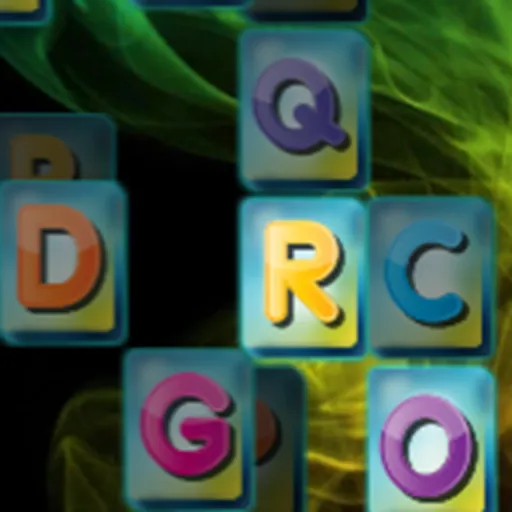 #1Mahjong BlastMatch two free mahjong tiles, remove pairs, and clear the board.
 #2Water Sort PuzzleTap a bottle to pour water into another.
 #3King RunSwipe up to jump over obstacles.
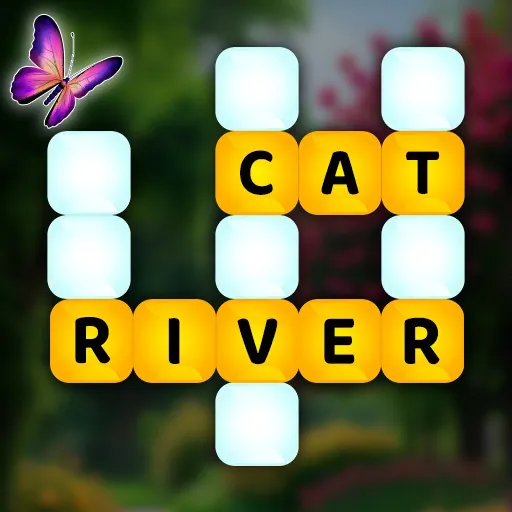 #4Word Wonders PuzzleSwipe letters to form correct words and fill all crossword blanks.
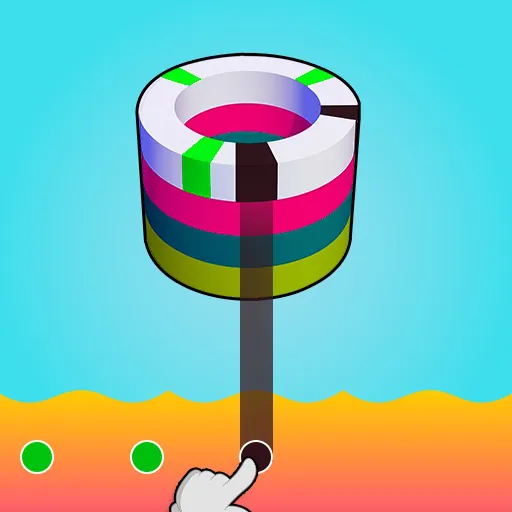 #5Color Ball HitWatch the rotating circular target.
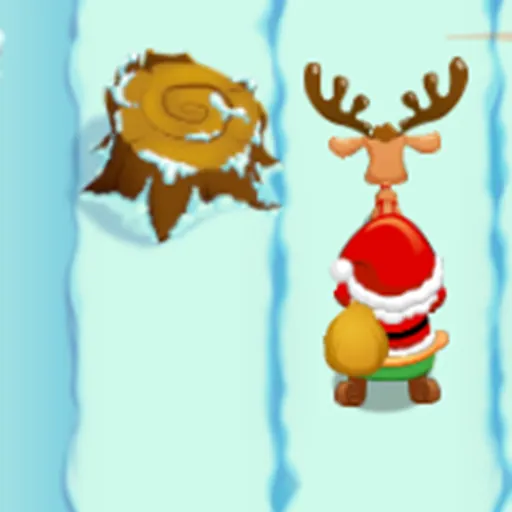 #6Santa Gift RunnerSanta rides forward automatically.
 #7Candy Cutter Saga KidsClick and drag (or swipe on mobile) to draw a cut line across the candy.
 #8Find the DifferencesCompare two pictures to uncover more than 5 differences.
First, work out which kind of bored you are
There are two very different states that both get called boredom. The first is restless boredom: you have energy, you cannot settle, and you want something to react to. The second is tired boredom: you are drained, you do not want a challenge, and you want something to occupy your hands while your brain idles. Giving a restless person a slow puzzle fails, and giving a tired person a twitchy reflex game fails just as badly.
Once you know which one you are in, the choice becomes obvious. Restless boredom wants speed, noise, and a scoreboard — arcade, racing, action, shooters. Tired boredom wants rhythm and low stakes — casual games, card games, match-three, gentle simulation. Almost every bad gaming session comes from picking the wrong side of that line, not from picking a bad game.
If you have five minutes
Short windows are where browser games beat everything else, because loading time is a real part of your five minutes. An arcade or racing game gives you a complete experience in a single run: start, escalate, fail, see the score. There is no save file to manage and no session to abandon halfway. You get the full emotional arc of a game in ninety seconds and you can walk away clean.
- Arcade games — one run, one score, instant restart
- Racing games — a lap or two and you are done
- Action games — quick reflex bursts
Avoid anything with a tutorial when you only have five minutes. Strategy and adventure games spend their first several minutes explaining themselves, which means a short session ends exactly when the game was about to start being fun. Save those for when you have a real block of time.
If you have half an hour
Thirty minutes is the sweet spot for puzzle and card games. They are long enough to get properly absorbed, short enough that you can stop at a natural break, and they leave you feeling like you did something rather than just consumed something. Puzzle games in particular have a useful property: the difficulty ramps with you, so the session gets more interesting the longer you stay.
- Puzzle games — logic, jigsaws, and brain teasers
- Card games — solitaire and classic deck games
- Word games — vocabulary and letter puzzles
- Board games — chess, checkers, and dice classics
Quick tip: set the timer before you start, not after
If you are gaming to fill a gap rather than to relax, set a timer before you open the game. Browser games are frictionless in both directions — as easy to keep playing as they were to start — and a timer is the only reliable way to keep a five-minute break from becoming a forty-minute one.
If you have a whole afternoon
Long stretches are where the deeper genres earn their place. Strategy, simulation, and adventure games all ask for an investment up front and pay it back over hours. A tycoon or management game will happily eat an entire rainy afternoon, because the loop of small improvements compounding into a bigger operation is genuinely hard to put down once it takes hold.
- Strategy games — plan, build, and outthink
- Simulation games — tycoon, management, and life sims
- Adventure games — quests and story-driven exploration
The trick with a long session is to commit to one game rather than sampling six. Sampling is what boredom does when it is given a big library, and it never satisfies — you end an afternoon having played nothing. Pick one title, give it twenty uninterrupted minutes before you judge it, and it will usually take care of the rest of the day.
Bored with someone else in the room
Shared boredom is the easiest kind to fix, and the most commonly overlooked. A two-player browser game on one keyboard turns a flat afternoon into something you will both remember, and it takes no setup at all — no second device, no accounts, no matching hardware. Sports and board games work best here because the rules explain themselves.
If you want the shortcut past all of this, our top online games collection is ordered by what people actually play the most, which is a surprisingly reliable cure for indecision. The newest browser games page is the other good option — a game you have never seen is more interesting than a good game you have already played, which is precisely the problem boredom is describing.
Frequently asked questions
What is the best game to play when bored at home?
It depends on your energy. If you are restless, pick an arcade or racing game for a fast run. If you are drained, pick a casual, card, or puzzle game with a slower rhythm and no time pressure.
What can I play when bored with no download?
Every game on OnlineGameWorlds runs directly in your browser with no download and no install, so you can go from bored to playing in a few seconds on any device.
What are good games to play when bored with a friend?
Shared-screen 2 player games are the best option — sports, board, and physics games where you both use one keyboard. They need no second device and no setup.
Are there free games I can play at work or on a break?
Yes. Short-session games such as arcade, card, and puzzle titles are designed for exactly that. They load instantly, run in a browser tab, and can be stopped at any moment.