Word games have quietly become the most widely played puzzle format in the world, and the reason is not nostalgia — it is that a good word puzzle is the perfect size. It fits in a coffee break, it has exactly one right answer, and finishing one produces a small, clean sense of competence that very few five-minute activities provide. This guide covers the main types of free online word game, what each one actually trains, and the specific tactics that turn a frustrating stare-at-the-screen session into a solve.
Our picks — play them free
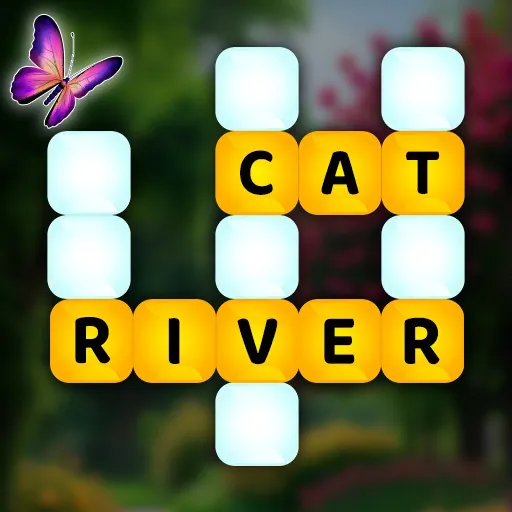 #1Word Wonders PuzzleSwipe letters to form correct words and fill all crossword blanks.
 #2Word Connect JourneySwipe or tap letters to form words.
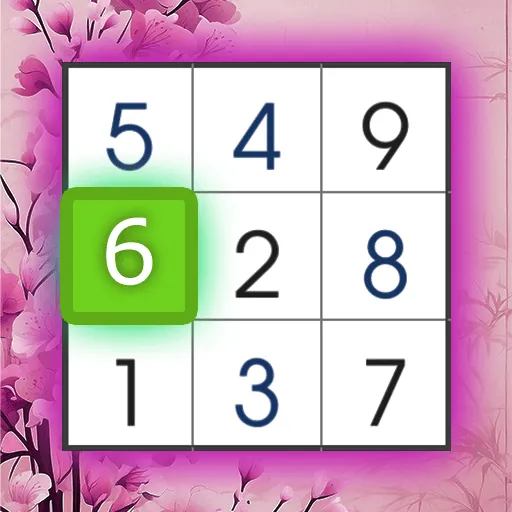 #3Easy Sudoku PuzzleFill the grid with numbers from 1 to 9 so that each number appears only once in every row, column, and box.
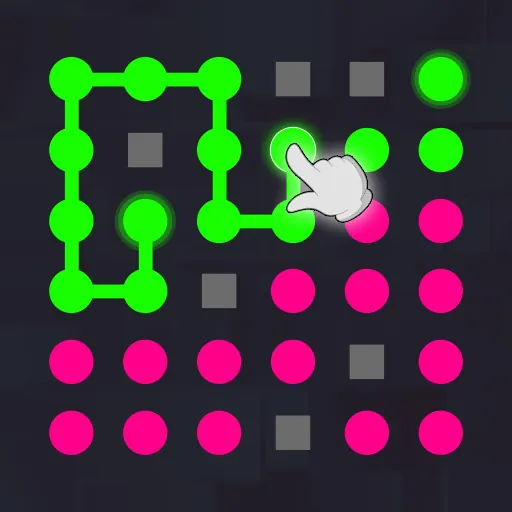 #4Connect The DotsTap a colored dot and draw a line to the same-color dot.
Why word games are so hard to stop playing
Word puzzles work on retrieval, which is a genuinely satisfying mental action. You know the word. It is definitely in there. And the two seconds between almost having it and having it is one of the most reliably rewarding moments in casual gaming. Unlike a reflex game, where success feels like luck, a word solve always feels earned, because it came out of your own head.
They also have a natural stopping point, which is rarer than it sounds. An endless runner never ends; a crossword does. Games with a finish line respect your time in a way open-ended ones cannot, and that is a large part of why daily word puzzles have become a routine for millions of people who would not describe themselves as gamers at all.
The main types of word game
Word search is the gentlest form: the answers are given and the task is purely visual scanning. Anagram and word-building games flip that — you get the letters and must produce the words, which is a much harder retrieval task. Crosswords add general knowledge and wordplay on top of vocabulary. And guessing games, where you narrow down a hidden word from feedback on each attempt, add deduction to the mix.
- Word search — visual scanning, no vocabulary pressure
- Anagrams and word builders — pure retrieval from a letter set
- Crosswords — vocabulary plus general knowledge and wordplay
- Daily guessing games — deduction from letter feedback
- Connection and grouping games — spotting the shared category
- Typing games — words as a speed and accuracy test
Grouping games are the newest arrival and the most interesting, because the difficulty is deliberately misleading. They present a grid of words that could be sorted several ways, and the obvious grouping is usually a trap. The skill is not vocabulary at all — it is resisting the first pattern your brain offers, which makes them closer to a logic puzzle wearing a word costume.
Tactics that actually help
For anagram and word-building games, stop looking at the letters as a set and start looking for structure. Scan for common endings first — ing, ed, er, tion — and see what remains. Then check for a two-letter consonant pairing at the front, such as st, ch, pr, or bl. Most players stall because they keep rereading the same jumble; imposing a structure gives your brain something to search against.
For guessing games, the first move matters more than any later one. Open with a word carrying several common vowels and frequent consonants, since the goal of the opening guess is information rather than a lucky hit. Trying to win on move one is the most common reason people lose on move six.
Quick tip: walk away for two minutes
When a word will not come, staring harder rarely works — you are re-treading the same failed path. Look away, do something else briefly, and come back. The word is very often the first thing you see on your return. It is the most reliable trick in word puzzling and it costs nothing.
Word games for children
Word games are one of the few genres where the educational value is not a stretch. Reading practice, spelling, and vocabulary expansion all happen naturally when the child is chasing a goal rather than completing an exercise. Word search is usually the best starting point because it demands recognition rather than recall, so a child who is still building confidence can succeed immediately.
From there, simple anagram and word-building games push into active spelling, which is the harder and more useful skill. Keep the difficulty just below frustration — a child who solves most puzzles with occasional effort keeps playing, while one who fails repeatedly stops. Our educational games category sits alongside word games for exactly this reason.
Building a daily habit
The reason daily word puzzles stick is scarcity: one per day means it never becomes a time sink and never loses its appeal through overuse. You can replicate that structure with any word game by deciding in advance how many rounds you will play. Three puzzles with a coffee is a habit; forty minutes of anagrams is a way to lose a morning.
If you want to build a rotation, pair a word game with a logic puzzle and a memory game — the three exercise different abilities and stop any one of them from going stale. Our puzzle games category covers the logic side, and the whole free online games library is available without an account if you would rather just browse until something looks appealing.
Frequently asked questions
Are online word games free?
Yes. Every word game on OnlineGameWorlds runs free in your browser with no download, no subscription, and no account needed.
What is a good first guess in a daily word game?
Choose a word with several common vowels and frequent consonants. The opening guess should be about gathering information, not about winning immediately — that is what leaves you stuck later.
Do word games help vocabulary?
They mainly train retrieval — pulling words you already know out of memory quickly. That is a real and useful skill, and for children who are still building vocabulary, word games genuinely add new words too.
Which word game is best for a beginner?
Word search, because the answers are already in front of you and the task is visual scanning rather than recall. Anagram and word-building games are the natural next step once that feels easy.