Card games have survived every shift in technology because the design was already finished before computers arrived. Fifty-two cards, a handful of rules, and enough hidden information to make every deal different — nothing about that needed modernising. What the browser added was convenience: no shuffling, no lost cards, no table, and no second player required. This guide covers the main families of free online card game, what each one actually asks of you, and the specific decisions that separate a fifteen percent solitaire win rate from a fifty percent one.
Our picks — play them free
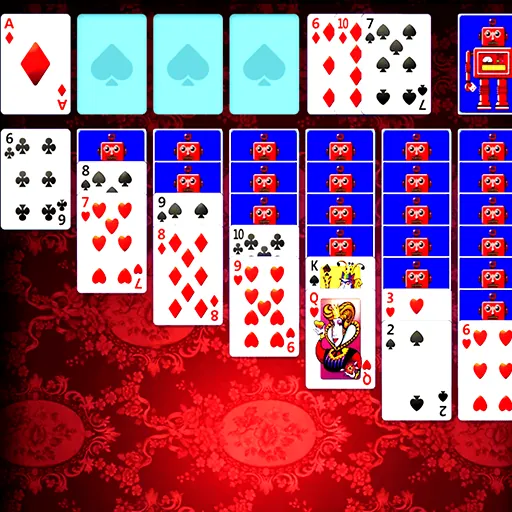 #1Classic Solitaire Card PuzzleClassic Solitaire Card Puzzle follows the timeless Solitaire rules.
 #2Memory Card MatchWatch the colorful cards carefully when they appear.
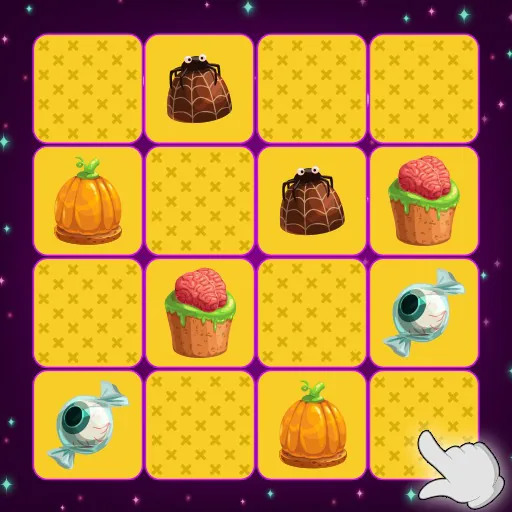 #3Memory Match Pair GameFind matching pairs of cards.
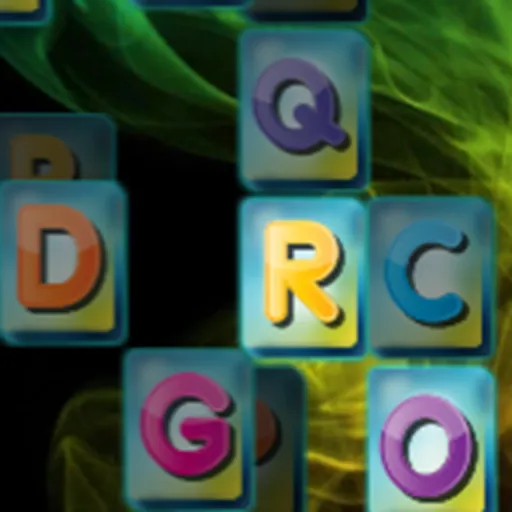 #4Mahjong BlastMatch two free mahjong tiles, remove pairs, and clear the board.
Why card games suit the browser so well
Card games have almost no technical requirements. There is no physics to simulate, no 3D world to render, and no real-time networking to synchronise, which means they load in a second and run perfectly on a decade-old laptop or a budget phone. They were also turn-based long before that was a design choice, so a card game does not care if you pause for two minutes to answer a message.
That patience makes them the ideal companion game. A solitaire tab open beside your work, a hand played while waiting for a kettle, a round on a train with no signal — card games slot into gaps that action games cannot fill. They are also among the very few genres where the digital version is objectively more convenient than the physical one, since the computer handles shuffling, dealing, and scoring instantly and never gets it wrong.
The solitaire family
Solitaire, or patience, is not one game but a family of dozens sharing a goal: sort a shuffled deck into ordered sequences using restricted moves. Klondike is the version most people mean — the one with seven columns and a draw pile — and it is the right place to start because its rules are the foundation for most of the others.
Beyond Klondike, the variants trade luck for skill in different proportions. Spider uses two decks and asks you to build long descending runs, rewarding players who plan several moves ahead. FreeCell is the outlier and the connoisseur's choice: every card is visible from the start, so almost every deal is winnable and every loss is genuinely your mistake rather than the shuffle's. Pyramid and TriPeaks sit at the lighter end, faster and more forgiving.
- Klondike — the classic seven-column solitaire
- Spider — two decks, long runs, heavy planning
- FreeCell — full information, almost always winnable
- Pyramid and TriPeaks — quick, light, and pattern-based
- Golf and Yukon — faster variants with unusual move rules
How to actually win more solitaire games
Most players lose Klondike for one specific reason: they move cards to the foundation piles too early. It feels like progress, but every card sent to a foundation is a card no longer available to help you move something in the columns. The general rule is to keep low cards in play as long as you can, and only promote when it unblocks something or when the card can no longer be useful below.
The second habit is prioritising the columns with the most face-down cards. Every hidden card is unknown information, and the game is really a race to turn all of them face up. A move that reveals a new card is almost always better than a move that tidies cards you can already see. When two moves look equally good, take the one that flips something.
Quick tip: think before you empty a column
An empty column is the most powerful resource in solitaire, and most players waste it by filling it with the first king they find. Wait until you know which king unblocks the most face-down cards. One well-chosen king is worth more than three quick moves.
Matching, memory, and casual card games
Not every card game is about strategy. Matching and memory games use a deck as a grid of hidden pairs, turning cards into a pure recall exercise, and they are the friendliest entry point for young children and for anyone who wants a game with no rules to learn. Mahjong-style tile matching sits nearby — technically not cards, but it scratches the same itch of clearing a board by finding pairs.
These lighter games are worth taking seriously as a category, because they are the ones people return to daily for years. They demand nothing, they end cleanly, and the satisfaction of clearing a board is remarkably durable. If a strategy-heavy solitaire variant feels like work at the end of a long day, this is where to go instead.
Card games with other people
Two player card games are the original shared-screen games, and they translate to a browser without losing anything, because passing a device is exactly how you would pass a hand at a table. Trick-taking and matching games work particularly well since turns are short and neither player is idle for long. Board games occupy the same territory if you want a longer session with the same feel.
To start playing, our free card games category holds the full set of solitaire variants and classic deck games, board games covers chess, checkers, and dice games for turn-based play with someone else, and puzzle games is the natural next step if you find you enjoy the deduction side more than the shuffle. All three run instantly with no download and no account.
Frequently asked questions
Is online solitaire free to play?
Yes. Every card game on OnlineGameWorlds, including all solitaire variants, is free to play in your browser with no download, no purchase, and no account required.
Which solitaire variant is easiest to win?
FreeCell. Every card is visible from the start and almost every deal is solvable, so wins depend on your decisions rather than the shuffle. Klondike is the most familiar but relies more on luck.
How can I improve my solitaire win rate?
Do not send cards to the foundations too early, always prefer moves that reveal a face-down card, and think carefully before filling an empty column — choose the king that unblocks the most hidden cards.
Can I play card games offline or on an old device?
Card games are the lightest genre in the browser. They load in about a second and run smoothly on old laptops, budget phones, and Chromebooks that struggle with 3D games.