Brain games are one of the most searched categories in casual gaming, and also one of the most oversold. The honest position sits between the two extremes you usually hear: no, a matching game will not raise your IQ, and no, that does not make brain games pointless. They train specific, narrow abilities, they are genuinely good at holding attention, and they are a far better use of a spare ten minutes than most alternatives. This guide sorts the categories by what they actually exercise, and suggests a routine that keeps them interesting past the first week.
Our picks — play them free
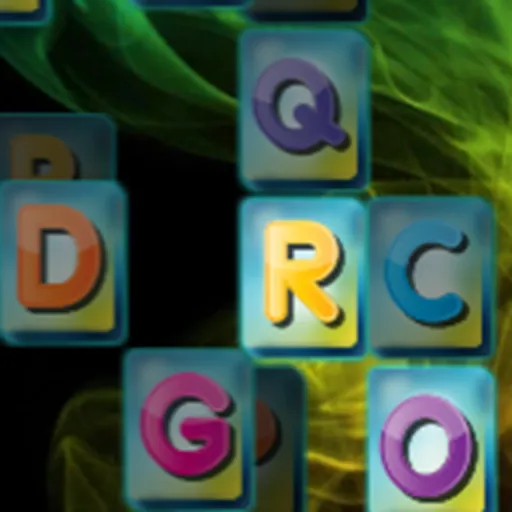 #1Mahjong BlastMatch two free mahjong tiles, remove pairs, and clear the board.
 #22248 Number PuzzleFree offline number merge puzzle: connect the same numbers vertically and horizontally, swipe to combine 1024, 2048, 4096 and beyond.
 #3Water Sort PuzzleTap a bottle to pour water into another.
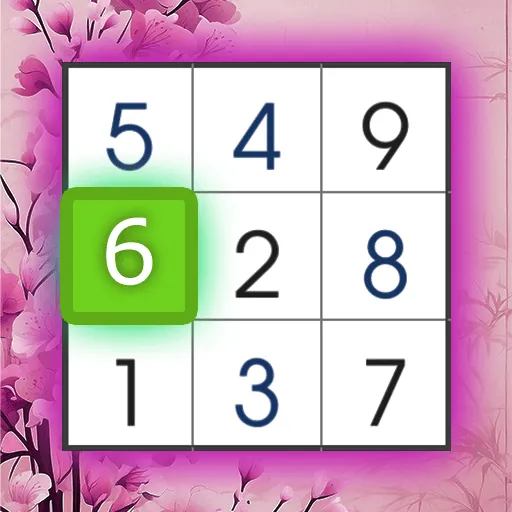 #4Easy Sudoku PuzzleFill the grid with numbers from 1 to 9 so that each number appears only once in every row, column, and box.
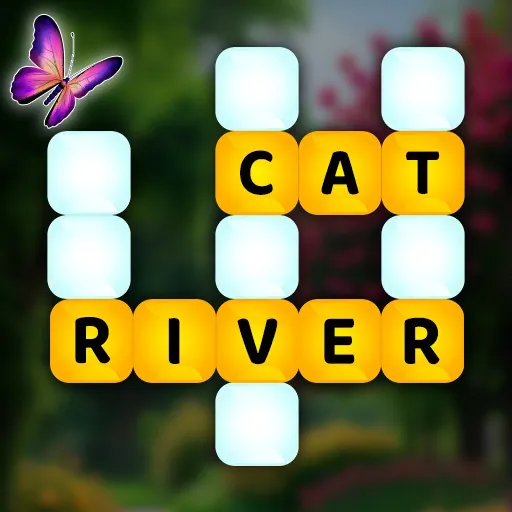 #5Word Wonders PuzzleSwipe letters to form correct words and fill all crossword blanks.
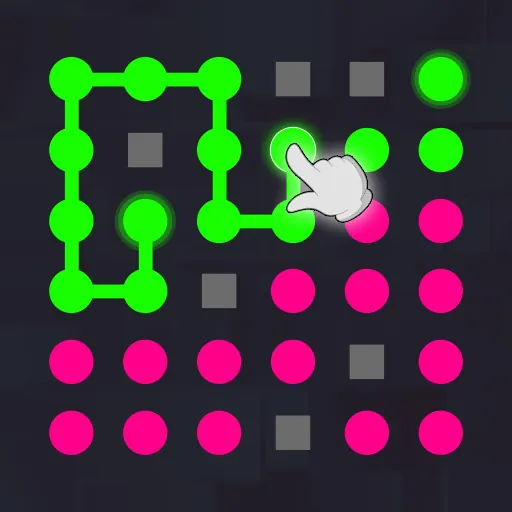 #6Connect The DotsTap a colored dot and draw a line to the same-color dot.
What brain games can and cannot do
The strongest and most consistent finding in brain training research is that you get better at the thing you practise. Play a memory game daily and your performance on that memory game improves substantially. What is far less clear is transfer — whether that improvement carries over into unrelated tasks like remembering names or following a conversation. The evidence for broad transfer is thin, and any product promising it is overstating its case.
That is a smaller claim than the marketing makes, but it is not nothing. Deliberate practice on a specific skill genuinely works, sustained focus is a habit worth rebuilding in a world designed to break it, and a puzzle that demands your whole attention for ten minutes is a real cognitive workout in the moment. Treat brain games as exercise you enjoy rather than as medicine, and they hold up perfectly well.
Memory games
Memory games train working memory — the small mental workspace where you hold information you are actively using. Card matching is the classic form, but sequence games, where you repeat a growing pattern, are the more demanding version because they require you to hold an ordered list rather than a set of locations.
The useful technique here is chunking: instead of remembering nine separate items, group them into three groups of three. It is the same trick that makes phone numbers memorable, and it raises your ceiling in almost every sequence game immediately. If you find your score plateauing, chunking is usually what breaks the plateau.
Logic and reasoning games
Logic puzzles are the closest thing to genuine reasoning practice in the casual space. Sudoku, nonograms, minesweeper-style deduction, and constraint puzzles all share a structure: the answer is fully determined by the information in front of you, and the only thing standing between you and it is careful thinking. There is no luck, no reflexes, and no hidden information.
- Puzzle games — logic, deduction, and spatial reasoning
- Word games — vocabulary, recall, and pattern matching
- Educational games — maths, memory, and problem solving
- Board games — chess and strategy classics
- Card games — probability, planning, and patience
- Strategy games — long-horizon planning under pressure
The discipline that improves logic puzzle performance is refusing to guess. A guess that happens to be right teaches you nothing and often hides a mistake until much later, when the puzzle becomes unsolvable and you cannot tell why. Making only forced moves is slower at first and dramatically faster within a week.
Word and number games
Word games exercise retrieval — the act of pulling something you know out of storage on demand. That is a different skill from recognition, and it is the one that feels rusty as we get older. Anagram games, crosswords, and word searches all push on it in slightly different ways, and daily word puzzles have become popular precisely because a five-minute retrieval workout fits into any morning.
Number games do something similar for mental arithmetic. Most adults have outsourced arithmetic to a phone so completely that the mental machinery has gone quiet, and a few minutes of practice brings back a surprising amount of speed. Neither of these will make you smarter in a general sense, but both restore access to abilities you already have and stopped using.
Quick tip: rotate three game types, not one
Playing the same brain game every day produces fast improvement that stops abruptly — you learn that game rather than the skill. Rotating between a memory game, a logic puzzle, and a word game keeps the difficulty genuinely novel and makes the habit far more likely to survive a month.
Building a routine that lasts
The reason most brain training routines fail is not lack of discipline, it is boredom. Ten minutes is the right length — long enough to reach real concentration, short enough to keep as a daily habit. Anchor it to something you already do, such as a morning coffee, and stop while you still want one more round. Ending on a win is what makes you come back tomorrow.
Difficulty matters more than duration. A puzzle you can solve on autopilot is entertainment, not training; the useful zone is where you fail sometimes. If you have not lost in a week, move up a level. That single adjustment does more for the value of a brain game routine than doubling the time you spend on it.
To start, our puzzle games category is the deepest source of logic and reasoning games, word games covers the retrieval side, and educational games holds the maths and memory titles. Bookmarking one from each is enough to run a proper rotation without ever having to search again.
Frequently asked questions
Do brain games actually make you smarter?
The reliable finding is that you improve at the specific skill you practise; broad transfer to unrelated everyday tasks has weak evidence. Brain games are best treated as enjoyable focused practice rather than as general intelligence training.
What are the best free brain games to start with?
Pick one from each type — a memory or sequence game, a logic puzzle such as sudoku or nonograms, and a word game. Rotating between all three keeps the difficulty novel and the habit alive.
How long should I play brain games each day?
About ten minutes is ideal. It is long enough to reach real concentration and short enough to stay a daily habit. Difficulty matters more than duration — if you never lose, increase the level.
Are these brain games free?
Yes. Every puzzle, word, and educational game on OnlineGameWorlds is free to play in your browser with no download, no subscription, and no account required.